WordPress 7.0 Release Date & Features: Biggest Update Ever with AI Integration

wordpress 7.0 Release

WordPress 7.0 is scheduled for release on April 9, 2026, and will introduce native AI integration, real-time collaboration, a redesigned admin dashboard, enhanced performance, and improved PHP requirements. This update is designed to transform website development, content creation, and collaboration, making WordPress faster, smarter, and more future-ready than ever before.

Continue reading “WordPress 7.0 Release Date & Features: Biggest Update Ever with AI Integration”

Stages of Implementing a Mobility Solution: A Complete Guide for Businesses

mobility solutions
Mobility solutions have become a core part of modern business operations. Whether it’s a customer-facing mobile app, an internal workforce solution, or a field-service platform, mobility directly impacts productivity, user experience, and scalability.
This stage highlights that proper planning and understanding the process behind successful implementation can boost your confidence and reduce the risk of failure.

Continue reading “Stages of Implementing a Mobility Solution: A Complete Guide for Businesses”

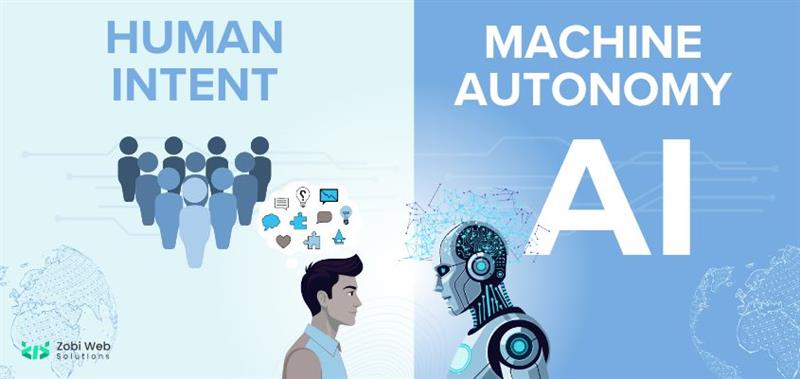
Agentic AI: Bridging the Gap Between Human Intent and Machine Autonomy

Agentic AI

Agentic AI is an artificial intelligence system that can accomplish a specific goal with limited supervision. It consists of AI agents—machine learning models that mimic human decision-making to solve problems in real time. In a multi-agent system, each agent performs a specific subtask required to reach the goal, and their efforts are coordinated through AI orchestration.
Continue reading “Agentic AI: Bridging the Gap Between Human Intent and Machine Autonomy”

Boost Android App Development Speed: How This New Tool Doubles Your Productivity!

Boost Android App Development Speed: How This New Tool Doubles Your Productivity!

In today’s competitive digital landscape, building Android apps quickly is essential for staying ahead of the curve. Businesses want faster releases, startups need rapid MVPs, and users expect frequent improvements. Whether you’re a startup founder, CTO, or part of an Android app development company, development speed can determine how fast you innovate and how well you compete. Continue reading “Boost Android App Development Speed: How This New Tool Doubles Your Productivity!”

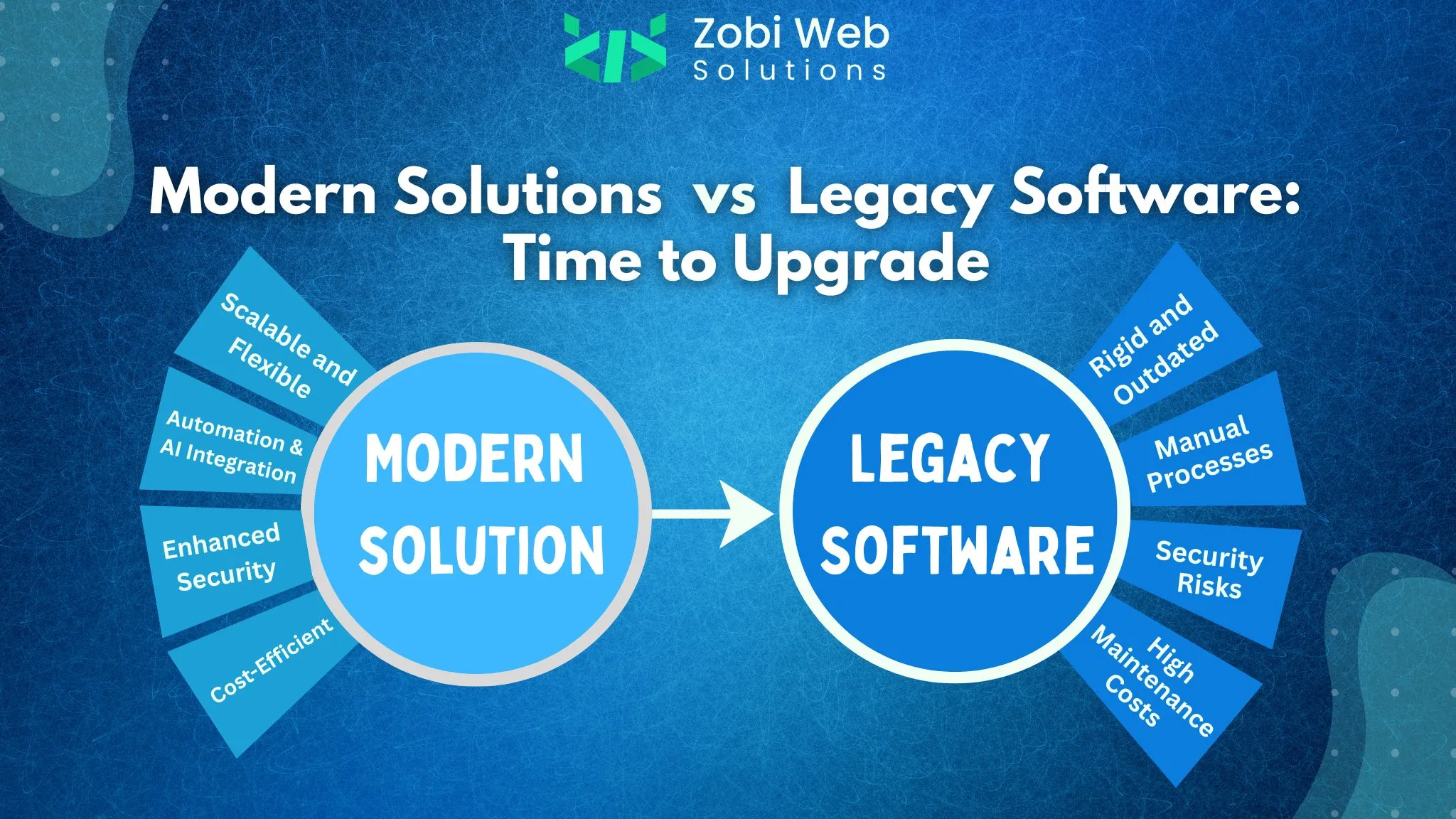
Why It’s Time to Break Free from Legacy Software—and How Modern Solutions Propel Performance

Software app development

In today’s competitive digital economy, technology moves faster than ever—and relying on outdated systems can quietly erode your business performance. However, embracing modern solutions can open new avenues for growth and innovation. Legacy software that once powered your operations may now limit these opportunities, but with the right tools, you can unlock your business’s full potential and take control of your future.

Continue reading “Why It’s Time to Break Free from Legacy Software—and How Modern Solutions Propel Performance”

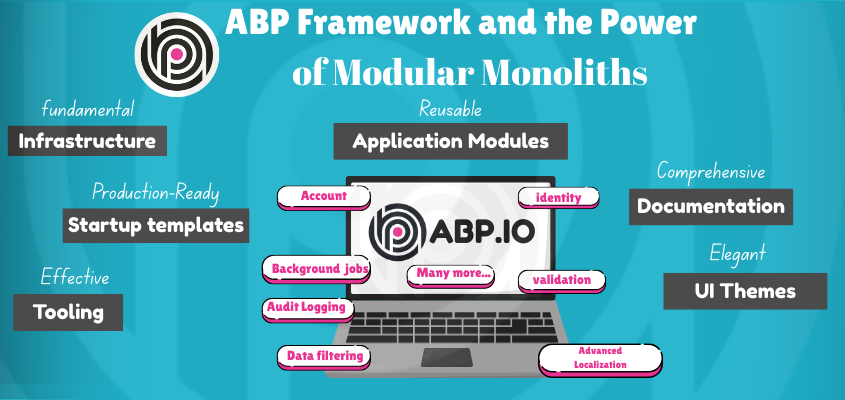
Building Scalable Applications with ABP Framework’s Modular Monolithic Architecture

ABP Framework

Are you grappling with the decision between a traditional monolith and a full-blown microservice architecture? You’re not alone. Many teams start small, only to find their application bloated, hard to maintain, or too complex to manage later on. The ABP Framework’s modular monolithic architecture offers a practical way out, providing a sense of relief—letting you move fast now while keeping the door open for future scalability.

Continue reading “Building Scalable Applications with ABP Framework’s Modular Monolithic Architecture”

Modular Monolith Architecture – Build Like Microservices, Deploy Like a Monolith

In modern software development, teams often face a critical decision: Should we opt for a monolith or microservices architecture? This decision should be based on the specific needs of your project. For instance, if you’re building a small, simple application, a monolith might be the best choice. However, if you’re working on an extensive, complex system with multiple teams, microservices could be the way to go. While microservices bring scalability and independence, they also introduce complexity in deployment, communication, and monitoring. On the other hand, a traditional monolith is simpler but becomes harder to maintain as the application grows.

Continue reading “Modular Monolith Architecture – Build Like Microservices, Deploy Like a Monolith”